What does “low sugar” really mean?
Why portion size, sugar, and calories matter—and why not every sweetener is the same.
Kerala buyers care about sugar
Diabetes and prediabetes are already common. Demand is here now.
20%[1]
Adults with diabetes
Already cutting sugar
36.7%[2]
Adults at risk
Changing diet before diagnosis
47.7%[3]
Young adults overweight
Sugar-aware shoppers
60%[4]
Risk of developing diabetes
Urgent—not years away
Buyers judge one real serving—not just the label.
Study - a 10 year old eats a 200g slice
A real portion—not a small label serving.
WHO daily limits
Daily calories
1600–1800[5,6]
WHO: added sugar <10% of calories
Daily added sugar
Ideal <22 g (5 tsp)
Max <45 g (10 tsp)
Cutting 20–30 g sugar daily saves ~80–120 calories.
A 200 g slice has[7]
2.7× the healthy daily limit. Red = sugar beyond that.
This is ~15 tsp sugar — before any other meal.
Real CGM data
Same product: ZeroCane vs regular sugar.
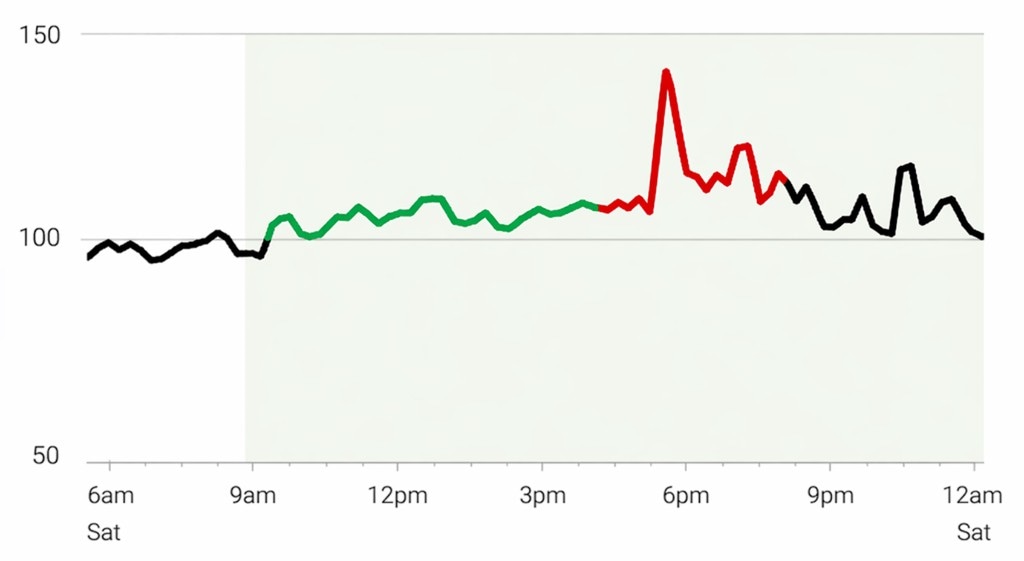
The daily cycle
One sugary slice starts a loop.[9]
Spike
Blood sugar rises fast.
Crash
Sugar drops. Energy fades.
More snacks
Hunger returns. More eating.
Repeats
Same pattern, week after week.
A better slice
Same size. Less sugar. Fewer calories. Gentler blood sugar rise.
| Measure | Today | Target |
|---|---|---|
| Total sugar | 60 g | 60 g less |
| Calories | 760–860 kcal | ~200 kcal less (25% lower) |
| Sweetness | Baseline | Same sweetness |
| Blood sugar | Sharp rise | Gentler rise[9] |
Both can say “low sugar.” Only one changes a 200 g slice.
Taste and health together
Hard part: ingredients, taste, and baking—all at once.
Few clean options
Not many non-synthetic sweeteners work in bakery.
Stevia often fails
Off-taste means no repeat buys.
Labels differ
"Reduced sugar" and "No added sugar" are not the same.
What buyers want
Same cake. Same Taste. Less sugar at real portion size.
200 g slice with ZeroCane
60 g less added sugar in one slice. Same sweetness.
Normal cake
60 g added sugar
~15 tsp — before any other meal
2.7× the healthy daily limit.
Also about 810 kcal (47.6% of daily calories).
Cake made with ZeroCane[8]
0 g added sugar
60 g removed — no added sugar from our sweetener
- 60 g less added sugar (100% of slice sugar gone)
- Same sweetness
Also about 610 kcal — ~200 fewer (25% lower).
Better flour can help further. Sweetener + recipe work together.
Ready to reformulate?
We help you model impact and switch to ZeroCane.
Model your 200 g SKU
See sugar and calorie impact on your product.
Request sample
Bakery, beverage, or confectionery guidance.
Book a consult
Talk through your reformulation plan.
Sources
Studies, WHO guidelines, and our cake models.
| # | What it's about | Source | Read more |
|---|---|---|---|
| [1] | Diabetes in Kerala adults | ICMR-INDIAB and regional surveys (~20%). | Open link |
| [2] | Prediabetes in Kerala adults | Population screening estimates (~36.7%). | Open link |
| [3] | Overweight young adults | Health surveys, ages 18–30 (~47.7%). | Open link |
| [4] | Prediabetes to diabetes | Cohort studies (~60% without intervention). | Open link |
| [5] | Child calorie needs | WHO/FAO: ~1,600–1,800 kcal/day at age 9–10. | Open link |
| [6] | Child sugar limits | WHO: under 22 g ideal, under 45 g max (~1,700 kcal/day). | Open link |
| [7] | Standard 200 g cake | Typical recipe: ~760–860 kcal, 60 g sugar. | Our data |
| [8] | ZeroCane 200 g cake | lowsugar.fit model: −60 g added sugar, same sweetness; ~200 kcal less. | Our data |
| [9] | Blood sugar impact | Glycemic load per portion (FAO/WHO). | Open link |
| [10] | Calories from less sugar | 20–30 g less sugar ≈ 80–120 kcal/day saved. | Open link |